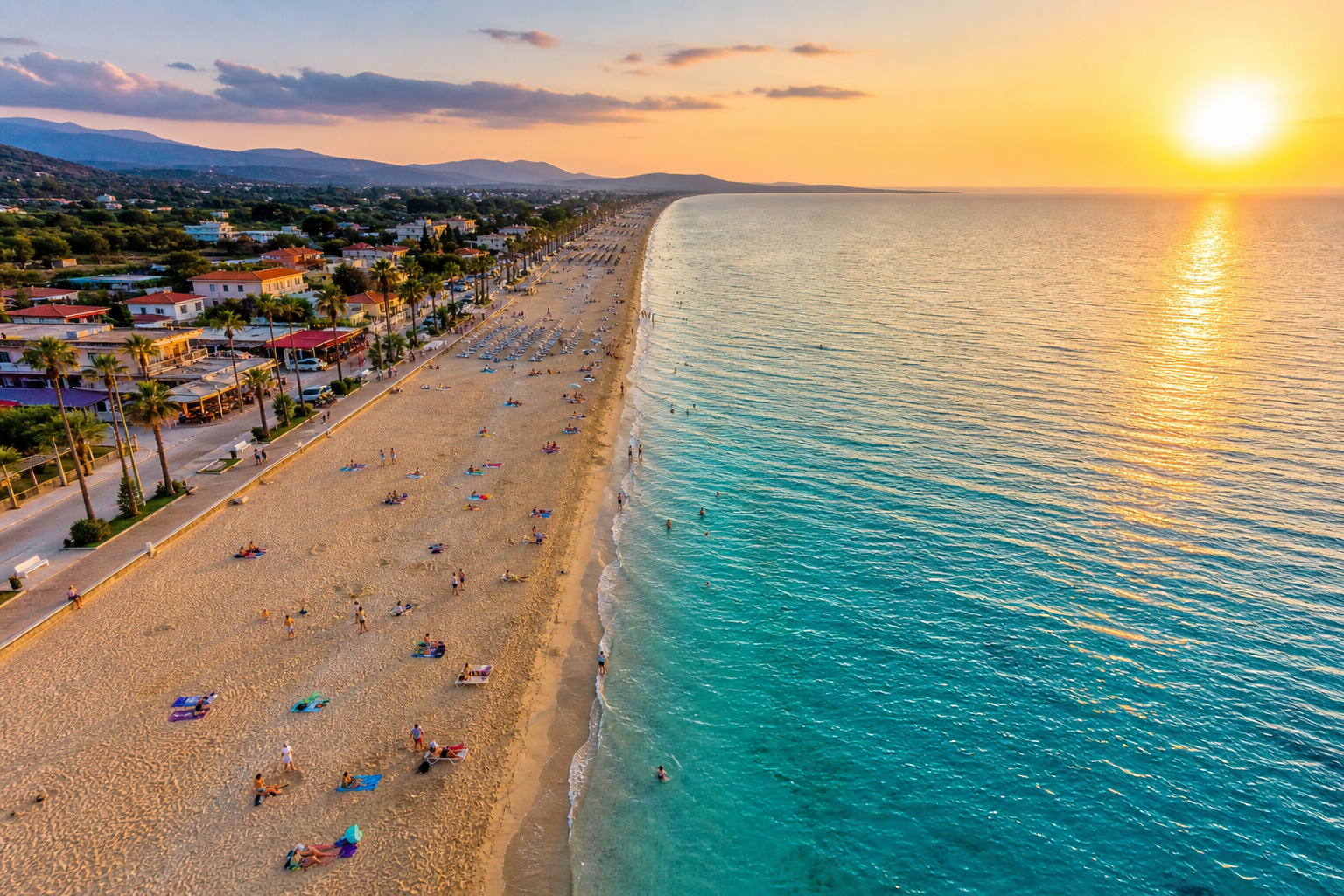
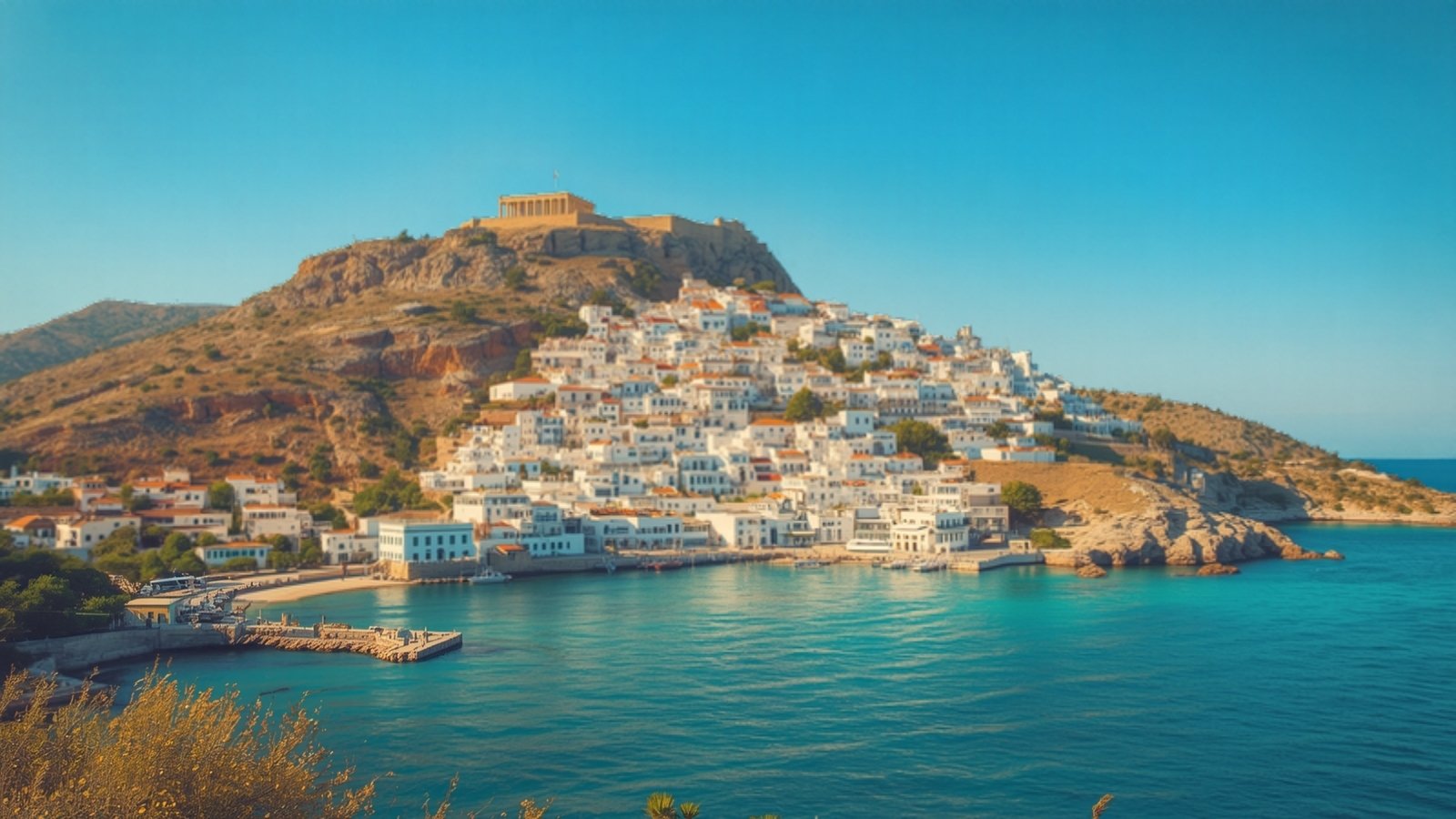
Cyclades 2026 - the complete island guide: which island to pick, ferries and island hopping
In short
The Cyclades are the Greece everyone pictures: white cubic houses, blue domes and impossibly clear water. But 33 inhabited islands are not the same holiday - Santorini is for the view, Mykonos for nightlife, Naxos and Paros for families, Milos for beaches, Sifnos for food. A complete guide: which island to choose, how to get there, ferry and island-hopping routes, when to go and what it costs in 2026.
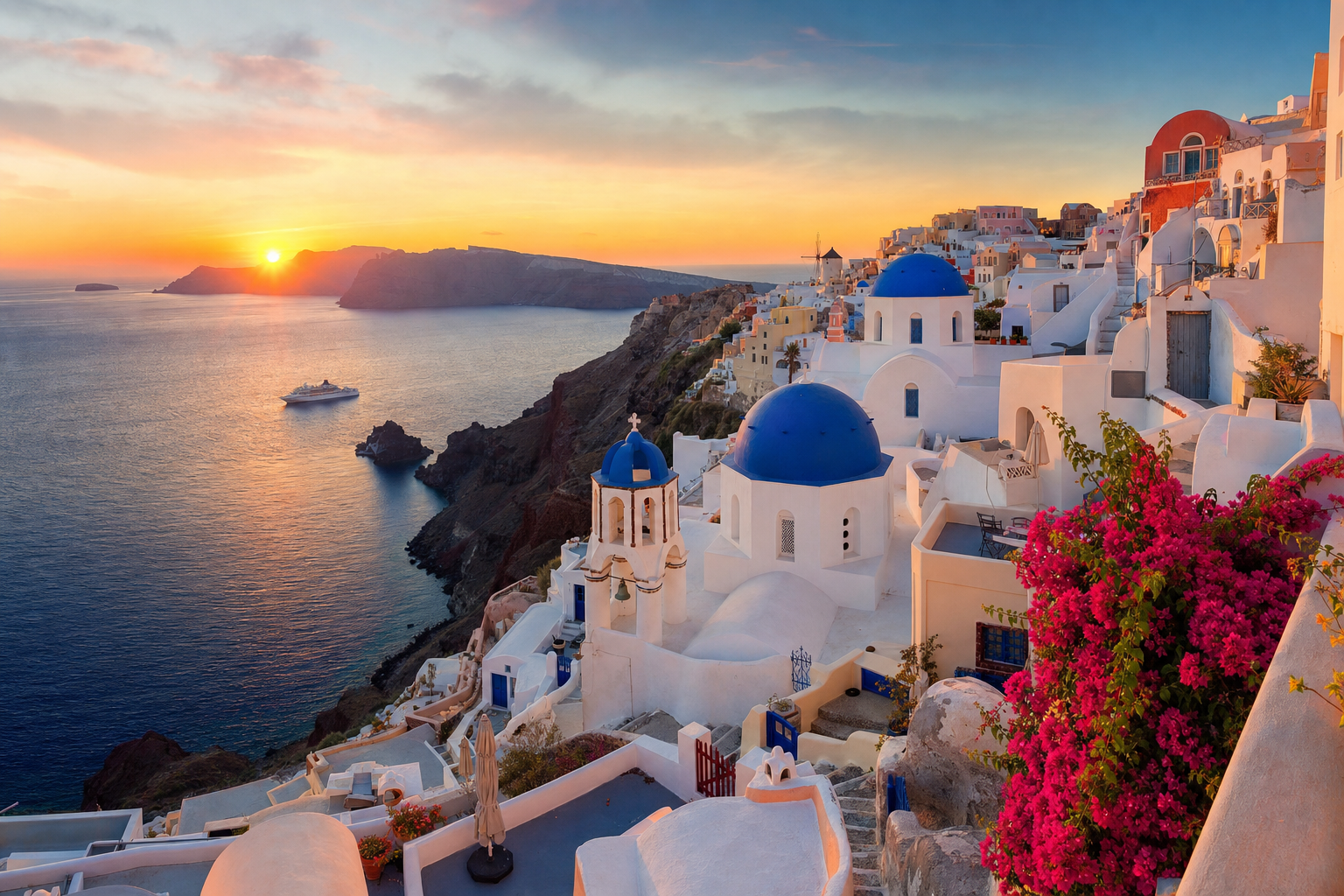
The Cyclades are the Greece of the postcard: whitewashed cubic houses, blue domes, cobbled lanes and water in a blue that looks edited. When someone says "the Greek islands", nine times out of ten this is the archipelago they mean. But it is not one place - it is over 200 islands and islets, 33 of them inhabited, and the differences are enormous. Santorini and Milos are volcanic and dramatic, Naxos is green and agricultural, Mykonos is cosmopolitan and expensive, Sifnos is a food destination, Folegandros is silence on a cliff. This guide helps you pick the right island for your kind of holiday, and explains how to get there, what it really costs and how island hopping actually works.
What the Cyclades are and why they look like that
The name comes from kyklos, Greek for circle: the ancient Greeks saw these islands forming a ring around sacred Delos, birthplace of Apollo and Artemis. Delos is still uninhabited, a UNESCO archaeological site and one of the most impressive day trips in the Aegean.
The look is not an aesthetic choice but an answer to climate and history:
- White walls - lime reflects the sun and keeps interiors cool, and once worked as a disinfectant.
- Cubic shapes, narrow lanes - shelter from the meltemi, the strong northerly summer wind.
- Hilltop horas - main settlements were built inland or on cliffs, out of sight of pirates.
- Blue domes and doors - blue was the cheapest pigment available, and later became a national symbol.
Geologically the group is split: Santorini and Milos are volcanic (black, red and white rock, dramatic cliffs), while most others are granite and schist peaks of a drowned mountain range, with sandy coves and dry hills.
Which Cycladic island to choose - comparison
The usual mistake is choosing by photograph. Every island photographs beautifully; the real differences are price, crowds, beaches and how easily you get there.
| Island | Best for | Beaches | Price band | Ferry from Piraeus |
|---|---|---|---|---|
| Santorini | Views, honeymoons, sunsets | Volcanic, black and red sand | €€€€ | 4.5–8 h |
| Mykonos | Nightlife, bars, beach clubs | Sandy, fully organised | €€€€ | 2.5–5 h |
| Paros | The all-round balance | Sandy, shallow | €€€ | 3–4.5 h |
| Naxos | Families, long beaches, value | Longest sandy beaches here | €€ | 3.5–5.5 h |
| Milos | Beaches and landscapes | 70+ beaches, all different | €€€ | 3–7 h |
| Ios | Young crowd, nightlife | Mylopotas - long and sandy | €€ | 4–7 h |
| Sifnos | Food, hiking, quiet | Small sandy coves | €€ | 2.5–5 h |
| Folegandros | Silence, authenticity, couples | Pebbly, harder to reach | €€ | 4–9 h |
| Tinos | Villages, gastronomy, pilgrimage | Quiet, undeveloped | €€ | 4–5 h |
| Syros | City life, culture, shoulder season | Family friendly, shallow | €€ | 2.5–4 h |
💡 The Cyclades cannot be reached by car - you need a flight or a ferry. If you want a Greece you can drive to in a day, look at Halkidiki or Thassos instead.
Ten Cycladic islands, one by one
Santorini - the island you have already seen a thousand times
A crescent of black rock around a sunken volcanic crater. The caldera is the most dramatic sight in the Aegean and Oia is where thousands gather every evening for sunset. Fira is the capital and the nightlife, Imerovigli the quietest stretch of the rim. Beaches are volcanic: Perissa and Kamari (black sand and pebbles), Red Beach below its rust-coloured cliff. The water is deep and cooler than elsewhere.
Set expectations: Santorini is the most expensive and most visited Greek island. If you are after beaches, other islands do it better; you come here for the view, the wine and the atmosphere. It works best as three or four days inside a longer route.
Full Santorini guide → · Where to stay →
Mykonos - the cosmopolitan Aegean
Little Venice, the windmills, an endless white hora and beach clubs that run from noon until dawn. Paradise and Super Paradise mean party, Platis Gialos and Ornos mean a calmer family day, Elia is the largest sandy stretch. Mykonos is also the gateway to Delos, once the religious centre of the Aegean.
Set expectations: drink and sunbed prices here are the highest in Greece and regularly shock first-timers. The island is small, taxis are famously few, and the meltemi can blow out the northern beaches.
Full Mykonos guide → · Where to stay →
Paros - the best balance
If you could only pick one Cycladic island, the statistically safest answer is Paros. It has everything in moderate doses: Naoussa (a fishing village turned into the most photogenic night out in the Cyclades), Parikia (port and traditional hora), the beaches of Kolymbithres, Santa Maria and Golden Beach (a kite and windsurf hub), plus dense ferry links to every neighbour. Tiny Antiparos, with its cave and slower rhythm, is ten minutes away.
Full Paros guide → · Where to stay →
Naxos - the biggest, greenest and best value
Naxos is the largest of the Cyclades and the only one that feeds itself: potatoes, graviera cheese, meat, kitron liqueur. Taverna prices reflect that. It also has the longest sandy beaches in the archipelago: Agios Prokopios, Agia Anna and Plaka run for kilometres, shallow and gently shelving - the best Cycladic choice for families with small children. Above the port stands the Portara, the marble doorway of an unfinished temple of Apollo, framing the sunset every evening. Inland are the mountain villages of Halki and Apeiranthos.
Milos - the island of 70 beaches
The volcanic island where the Venus de Milo was found. Every beach looks like a different geological experiment: Sarakiniko is a white lunar landscape without a single plant, Firiplaka and Tsigrado are striped cliffs, and Kleftiko - a former pirate hideout of sea arches - is reachable only by boat. The fishing villages with their brightly painted syrmata boat garages (Klima, Mandrakia) are the island's visual signature.
Set expectations: a car or at least a scooter is close to essential on Milos, and a few beaches need a 4x4.
Ios - the young island
By day Mylopotas, one of the finest long sandy beaches in the Cyclades; by night a hora that turns into a single continuous bar. Ios has been the Aegean's party island for the under-30s for decades, at prices well below Mykonos. It has been broadening towards quieter tourism lately, but the reputation stands.
Sifnos - the culinary capital of the Cyclades
Home of Nikolaos Tselementes, author of the first modern Greek cookbook (his surname became the Greek word for "cookbook"). Sifnos is known for its ceramics, the clay pots in which revithada (chickpeas) and mastelo (lamb in wine) are slow-baked, and a network of old stone footpaths linking the villages. Beaches are small and gentle: Vathi, Platis Gialos, Kamares.
Folegandros - the Cyclades without the crowds
A hora perched 200 metres above the sea with nothing to spoil the view, and the church of Panagia reached by switchbacks above it. Folegandros is for people who want the scenery without cruise ships and queues. Beaches are mostly pebbly and some are reached on foot or by boat (Katergo, Agali).
Tinos - villages, marble and pilgrimage
For Greek Orthodox believers Tinos is the most important pilgrimage site in the country, thanks to the church of Panagia Evangelistria. For travellers it is an island of 50 mountain villages, ornate dovecotes, a marble-carving tradition and a fast-rising food scene. The village of Volax sits in a field of giant round boulders that looks like another planet. It is far quieter than Mykonos, 15 minutes away by ferry.
Syros - the island that lives all year
Ermoupoli, capital of Syros, is also the administrative capital of the whole Cyclades region: a neoclassical town with a marble square, a grand town hall and the Apollon theatre modelled on La Scala. Unlike most of the group, Syros is not a seasonal stage set but a working city - ideal in May, June and September, and for anyone who wants culture alongside the beach.
Getting to the Cyclades
| Option | How it works | Duration |
|---|---|---|
| Fly to Athens + ferry | Land at ATH, then metro or bus to Piraeus (or bus to Rafina for Mykonos, Tinos, Andros). The most flexible option: Piraeus connects to every island. | 1 h to port + 2.5–8 h ferry |
| Fly direct to the island | Seasonal and charter flights to Santorini (JTR) and Mykonos (JMK); Paros and Naxos have small airports with domestic flights from Athens. | Varies |
| Drive to Athens + ferry | From Belgrade roughly 1,000 km on the E75 via Thessaloniki, park in Piraeus and travel as a foot passenger. Worth it for longer stays or larger groups. | 11–13 h driving |
| Taking the car across | Possible but expensive, and unnecessary on small islands. On Santorini and Mykonos a car is more burden than benefit. | +40–120 € each way |
💡 Driving routes and tolls: Driving to Greece. Full ferry overview: How to reach the Greek islands.
Ferries and island hopping
Island hopping is why people return to the Cyclades again and again. The islands are close, ferries frequent, and ten days comfortably covers three islands.
Three proven routes
- The classic (10–12 days): Mykonos → Paros → Naxos → Santorini. All four are linked several times a day, and finishing on Santorini means you can fly home.
- Quiet western Cyclades (8–10 days): Sifnos → Milos → Folegandros. Fewer crowds, stronger beaches and food, but thinner timetables - check the connections before booking accommodation.
- Family (7 days, one island): Naxos or Paros alone. Long shallow beaches, short transfers, no repacking every third day.
Seven rules of ferry planning
- High-speed or conventional. Catamarans are 1.5–2x faster and nearly twice the price; conventional ferries handle wind better and are cancelled less often.
- The meltemi cancels sailings. The northerly wind peaks in July and August, and high-speed craft go first.
- Never take the last ferry before your flight home. Keep a buffer day in Athens.
- Book ahead for July and August, especially on Santorini routes.
- Sit in the indoor lounge if you are prone to seasickness.
- The port is not always next to the town - on Santorini, Athinios is 10 km below Fira on a steep switchback road.
- Check which Athens port you leave from - Piraeus and Rafina are an hour apart.
When to go
| Period | Weather and sea | Crowds and prices | Suits |
|---|---|---|---|
| May | 20–25 °C, sea 19–21 °C | Quiet, low prices | Hiking, towns, photography |
| June | 26–30 °C, sea 22–24 °C | Moderate, good value | The best overall balance |
| July and August | 30–35 °C, sea 24–26 °C, meltemi | Peak crowds and prices | Nightlife and fixed school holidays |
| September | 26–30 °C, warmest sea (25 °C) | Eases after week one | The best month for couples |
| October | 21–25 °C, sea 23 °C | Empty, some venues close | Quiet and cheap, some rain risk |
What a Cyclades holiday costs in 2026
The Cyclades are more expensive than mainland Greece - everything arrives by boat and the season is short. Rough per-person daily figures in season, excluding flights:
| Item | Naxos, Ios, Sifnos, Tinos | Paros, Milos | Santorini, Mykonos |
|---|---|---|---|
| Studio for two (night) | 45–75 € | 65–110 € | 120–300 €+ |
| Taverna meal | 12–18 € | 15–22 € | 25–45 € |
| Two sunbeds and umbrella | 10–20 € | 15–30 € | 30–100 € |
| Frappé or beer | 3.5–5 € | 4–6 € | 6–12 € |
| Scooter per day | 20–30 € | 25–35 € | 30–45 € |
💡 Full breakdowns: What a Greek holiday costs in 2026 and beach prices.
Beaches - what to expect
- Long, sandy, shallow: Agios Prokopios, Plaka and Agia Anna (Naxos), Golden Beach and Santa Maria (Paros), Mylopotas (Ios).
- Volcanic and dramatic: Sarakiniko, Firiplaka and Kleftiko (Milos), Perissa, Kamari and Red Beach (Santorini).
- Organised and fashionable: Paradise, Super Paradise, Elia and Psarou (Mykonos), Kolymbithres (Paros).
- Hidden and quiet: Katergo and Agali (Folegandros), Vathi (Sifnos), the northern beaches of Tinos.
Since 2026 the rule is explicit: at least 70% of every beach must stay free for towels, and the first row by the water cannot be filled with sunbeds. Details in Greek beaches 2026 and the MyCoast app.
Practical advice that pays off
- Shoes, not flip-flops. Cobbles and steps are everywhere and horas are explored uphill on foot.
- Tap water is usually not for drinking. On most islands bottled water is the rule.
- Carry cash. Small tavernas and beach bars on lesser islands often do not take cards, and ATMs thin out fast outside the main town.
- Book early for July and August. Island capacity is fixed and prices climb as it fills.
- Scooters: helmet and the correct licence category, always. Roads are narrow and checks are frequent.
FAQ
Which Cycladic island is best for a first visit?
Paros or Naxos. Both have good beaches, fair prices, dense ferry links and enough to do, without being either overpriced or empty. Santorini and Mykonos work better as a three-day add-on than as a whole holiday.
How many days do I need?
Seven days for one island, 10 to 12 for a classic three-island route. Less than that and most of the trip is spent in ports and on ferries.
Can I drive to the Cyclades?
Not directly. You leave the car in Piraeus or Rafina, or pay to load it onto the ferry. On small islands a car is often more trouble than it is worth - parking barely exists.
What is the meltemi and does it ruin a holiday?
The meltemi is a dry northerly wind that blows across the Aegean from June to September, strongest in July and August. It cuts the humidity and heat, but raises waves, can cancel high-speed ferries and blows out north-facing beaches. The fix is simple: on windy days head to a beach on the southern side of the island.
Which island is the cheapest?
Naxos, because it grows its own food, so tavernas are noticeably cheaper. Then Ios, Sifnos and Tinos. Santorini and Mykonos run two to three times higher across every category.
Are the Cyclades good for young children?
Naxos and Paros are - long sandy beaches with gentle entries, short distances and calm bays. Santorini is not ideal: its beaches are steep and stony, and the towns are all steps. More in Greece with kids.
How much is the ferry to Santorini?
From Piraeus roughly 40–60 € on a conventional ferry (5–8 h) and 70–95 € by high-speed catamaran (4.5–5.5 h) per person in season. Vehicles are charged separately, and fares rise as sailings fill.
Can I see several islands in a week?
Realistically two, and neighbouring ones (Paros and Naxos, or Mykonos and Tinos). Three islands in seven days means packing and waiting for a ferry every other day.
The Cyclades prove that "a Greek island" is not one thing: the same archipelago holds both the most expensive sunset in Europe and quiet coves where you are alone. Browse our accommodation on Santorini, Mykonos and Paros, or compare with the drive-to mainland in the Halkidiki guide.