Crete - Holiday Guide: Beaches, Cities and Accommodation
In short
Crete is Greece's largest island - home to Knossos, the Elafonisi pink-sand beach and the Samaria Gorge. Everything you need to know. Crete is Greece's largest island and one of the most popular Mediterranean destinations in the world.
Crete is Greece's largest island and one of the most popular Mediterranean destinations in the world. With an area of over 8,300 km² and a coastline of almost 1,000 km, this island offers extraordinary variety - from pink-sand beaches and turquoise lagoons to 4,000-year-old Minoan palaces, Venetian harbours and mountain gorges. Crete is not just a holiday resort - it is a civilisation in its own right. Divided into five prefectures (Heraklion, Rethymno, Chania, Lasithi and Sfakia), the island is large enough to discover something new every time you visit.
Why Crete - 5 Reasons
- World-class beaches - Elafonisi with pink sand, Balos lagoon, Vai with palm trees. Every beach tells its own story.
- Minoan civilisation - The Palace of Knossos near Heraklion is Europe's oldest "city," a time capsule 4,000 years old.
- Outstanding food and local spirit - Cretan cuisine is its own tradition. Olive oil, fresh cheese, lamb and tsikoudia (rakia) - the local spirit offered almost everywhere for free.
- Long season - Crete is excellent outside peak season. April and October offer warm weather, fewer crowds and lower prices.
- Something for everyone - Families, couples, adventure-seekers, history and gastronomy lovers - all find their place on Crete.
Crete's Best Beaches
Elafonisi - Pink Sand in the South-West
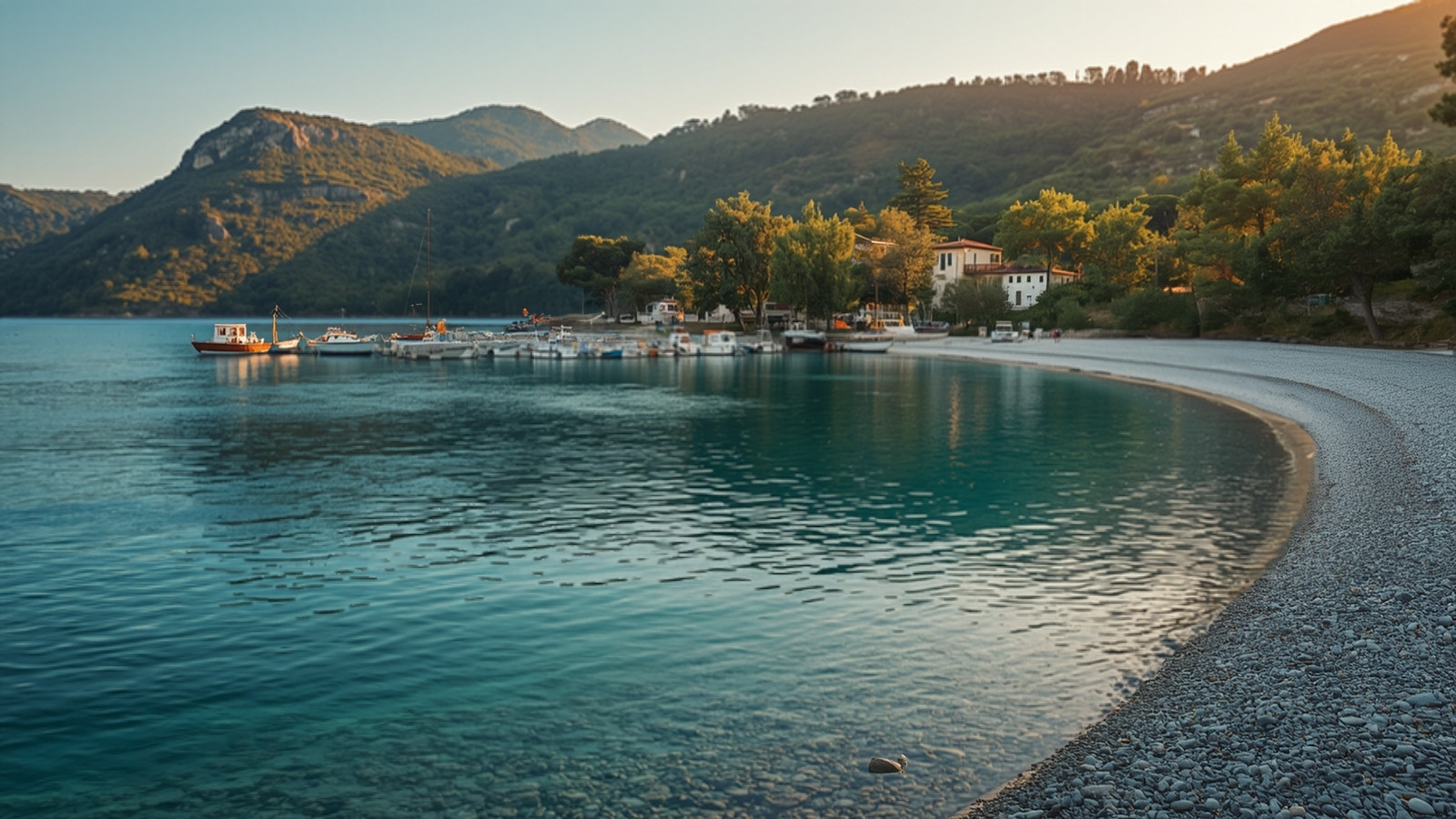
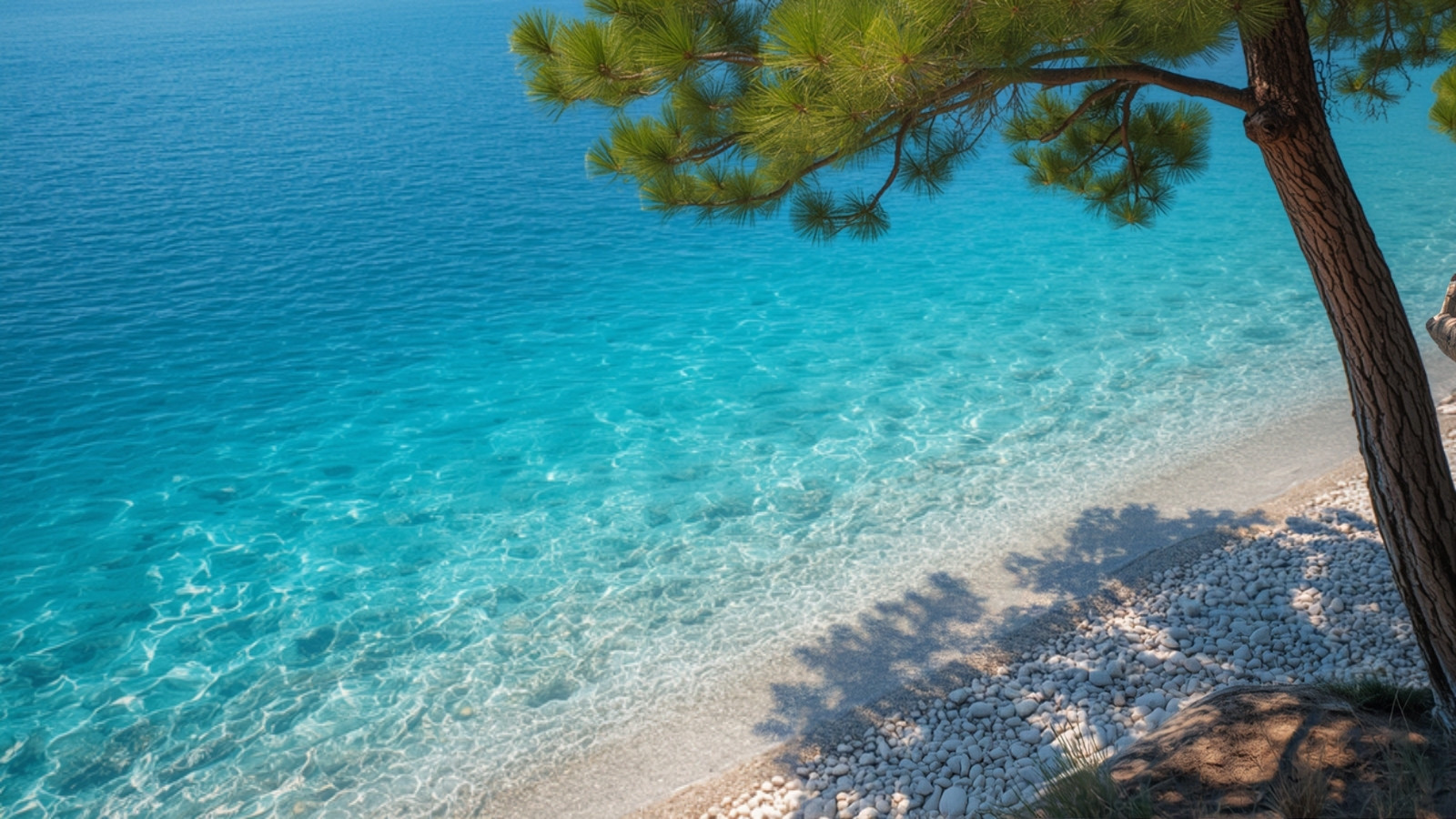
One of the finest beaches in the Mediterranean. Elafonisi sits at Crete's south-western tip and is famous for its gently pink sand - coloured by crushed shells. The beach is a protected national park with a shallow lagoon, ideal for children. It's around 1.5 hours' drive from Chania. Arrive early - car parks fill before 9am.
Balos - A Postcard Lagoon
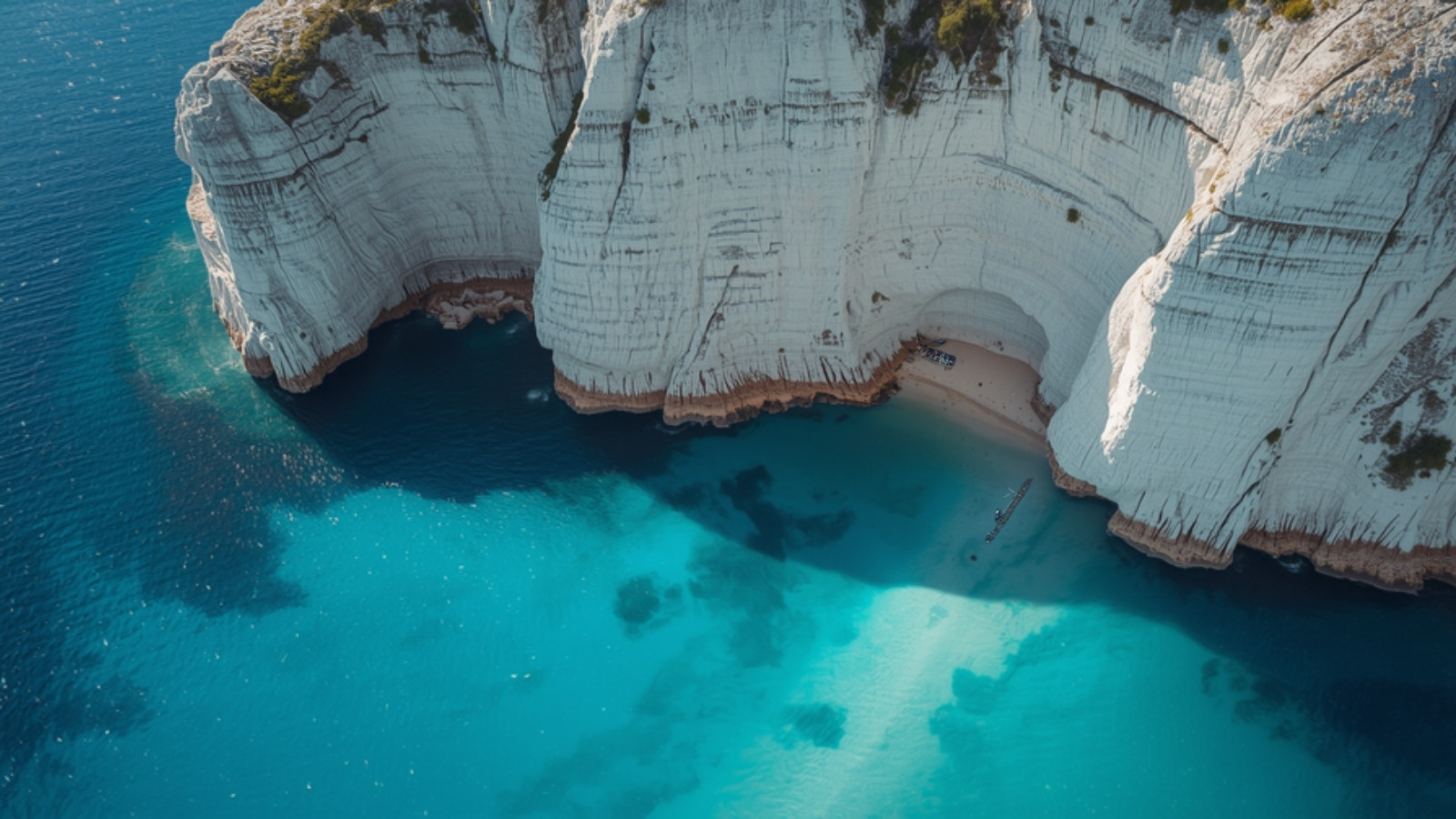
Balos is arguably Crete's most-photographed location. The lagoon's turquoise water, surrounded by grey rock and white sand, is accessible either by a 4WD track (45 minutes) or by boat from Kissamos. The boat trip is recommended: less stress and spectacular views of the cape.
Vai - Europe's Only Wild Palm Forest
In the far east of Crete lies Vai beach - framed by Europe's largest natural palm forest (about 5,000 Phoenix theophrasti palms). The combination of palm trees, golden sand and crystal-clear water creates a genuinely exotic atmosphere.
Cities of Crete
Chania - Venetian Harbour Town
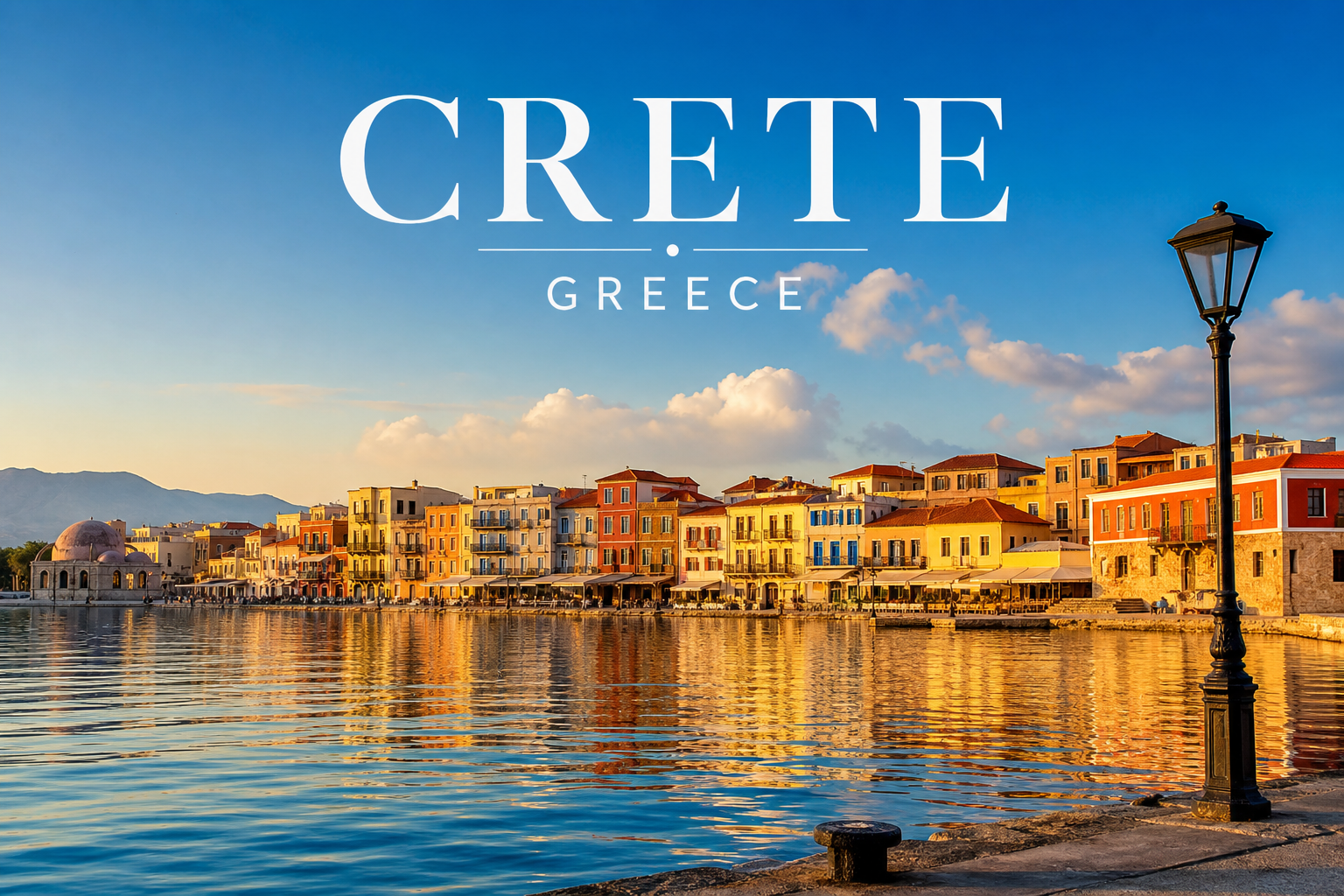
Chania is Crete's most beautiful city. The old Venetian harbour with its lighthouse, the covered market (agora) and the narrow streets of the old town make it a wonderful place to stay. Particularly romantic in the evening.
Heraklion - Gateway to Knossos
The island's capital is a real, living city - not just a tourist stop. The Archaeological Museum is among the best in Greece. Knossos Palace (5 km from the centre) is unmissable.
Rethymno - Between Venetian and Ottoman
Rethymno has a beautifully preserved old town with a Venetian lighthouse, a Venetian fortress (Fortezza) and Turkish mosques. An ideal base for exploring central Crete.
Samaria Gorge - Europe's Longest Canyon
The Samaria Gorge (18 km) in the White Mountains of western Crete is one of Europe's most spectacular hikes. The trail descends from Omalos Plateau to the Libyan Sea village of Agia Roumeli (accessible only by boat). Open May–October. Good fitness required; allow 5–7 hours.
Practical Information
- Getting there - Direct charter flights from Belgrade (and other regional airports) to Heraklion (HER) or Chania (CHQ). Alternatively, ferry from Piraeus (Athens) overnight.
- Best time to visit - May–June and September–October for cooler temperatures and fewer crowds. July–August is peak season.
- Getting around - Rent a car; public buses (KTEL) connect major towns but don't reach all beaches.
- Accommodation - Huge range from budget studios to 5-star resorts. Elounda and Agios Nikolaos are premium areas.