Corfu - Holiday Guide: Old Town, Olive Groves and Beaches
In short
Corfu is a Ionian island shaped by British, Venetian and French influences - a lush green paradise. Guide for 2026. Corfu, or Kerkyra, is the largest Ionian island and one of the most beautiful in all of Greece - so green that the ancient Greeks called it "Phaeacia," the land of abundance from the Odyssey.
Corfu, or Kerkyra, is the largest Ionian island and one of the most beautiful in all of Greece - so green that the ancient Greeks called it "Phaeacia," the land of abundance from the Odyssey. Unlike the arid Cycladic islands, Corfu is lush, covered in olive groves, cypress trees and orange forests. Venetian, British and French rule left deep traces in architecture, culture and gastronomy - Corfu Town is inscribed on the UNESCO World Heritage List. The island is easily reached by ferry from Igoumenitsa (just one hour) or by plane from Belgrade, with accommodation available at every budget level.
Why Corfu?
- UNESCO Old Town - Corfu Town is the only city in Greece with UNESCO heritage status, protected by two Venetian fortresses
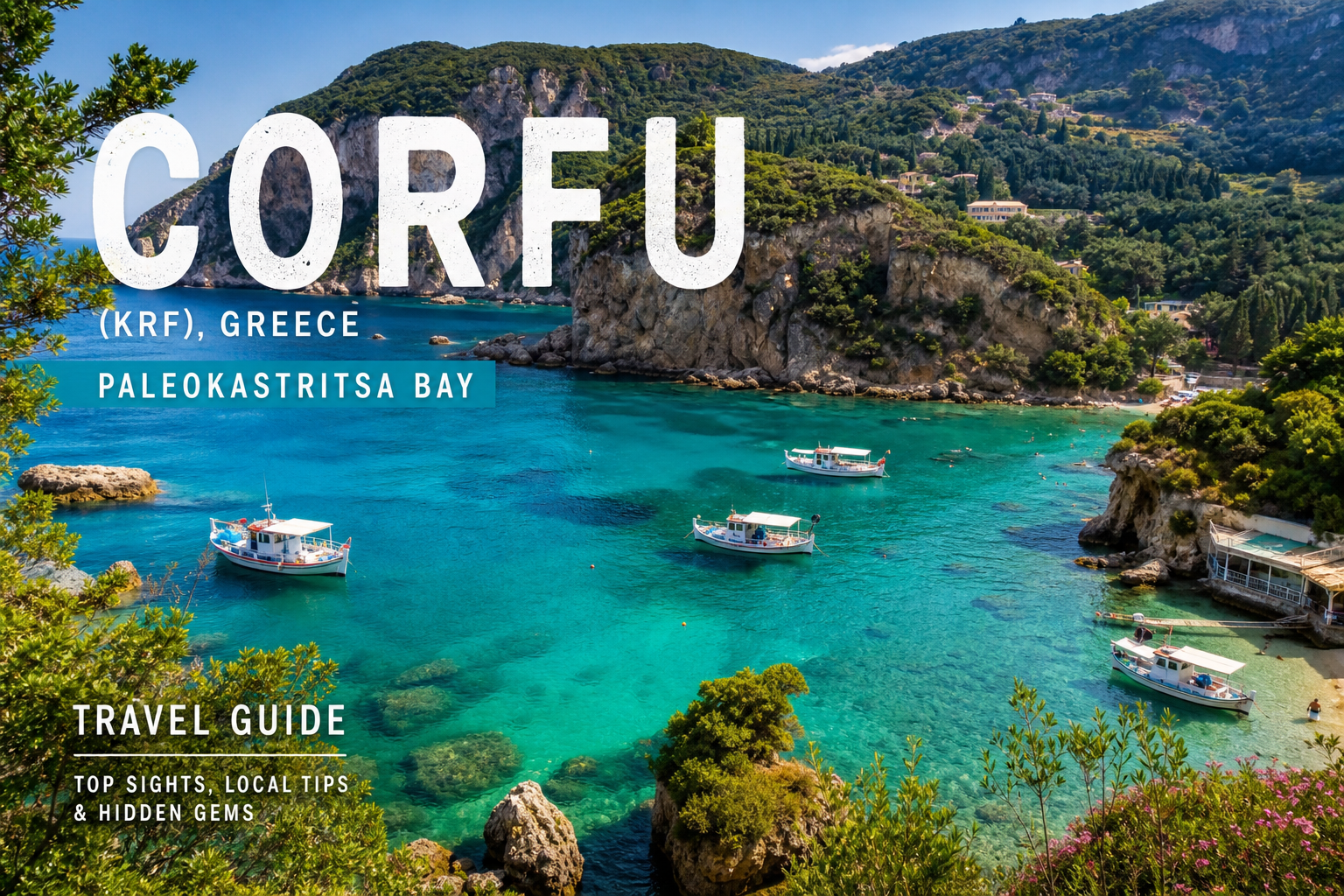
- Paleokastritsa - the island's most beautiful cove with crystal-clear water, a clifftop monastery and green hills descending to the sea
- Achilleion Palace - former residence of Austrian Empress Sisi, with spectacular island views and an alley of Greek statues
- Variety of experience - culture, nature, beaches, nightlife and gastronomy all on one island
- Accessibility - the only Ionian island with direct flights from Belgrade and easy ferry access from mainland Greece
Corfu Town - UNESCO Gem of the Mediterranean
Corfu Town (Kerkyra) is the island's administrative and cultural capital, and the only Greek city inscribed on the UNESCO World Heritage List as a historic town. The Old Town is a compact labyrinth of narrow kandouni (paved alleys), Venetian palaces and small cafés. Two impressive fortresses dominate the town: the Old Fortress on a promontory jutting into the sea and the New Fortress built by the Venetians in the 16th century. The wide Esplanade (Spianada) - one of Greece's largest squares - separates the fortresses and offers views towards Albania.
Paleokastritsa - The Island's Most Beautiful Cove
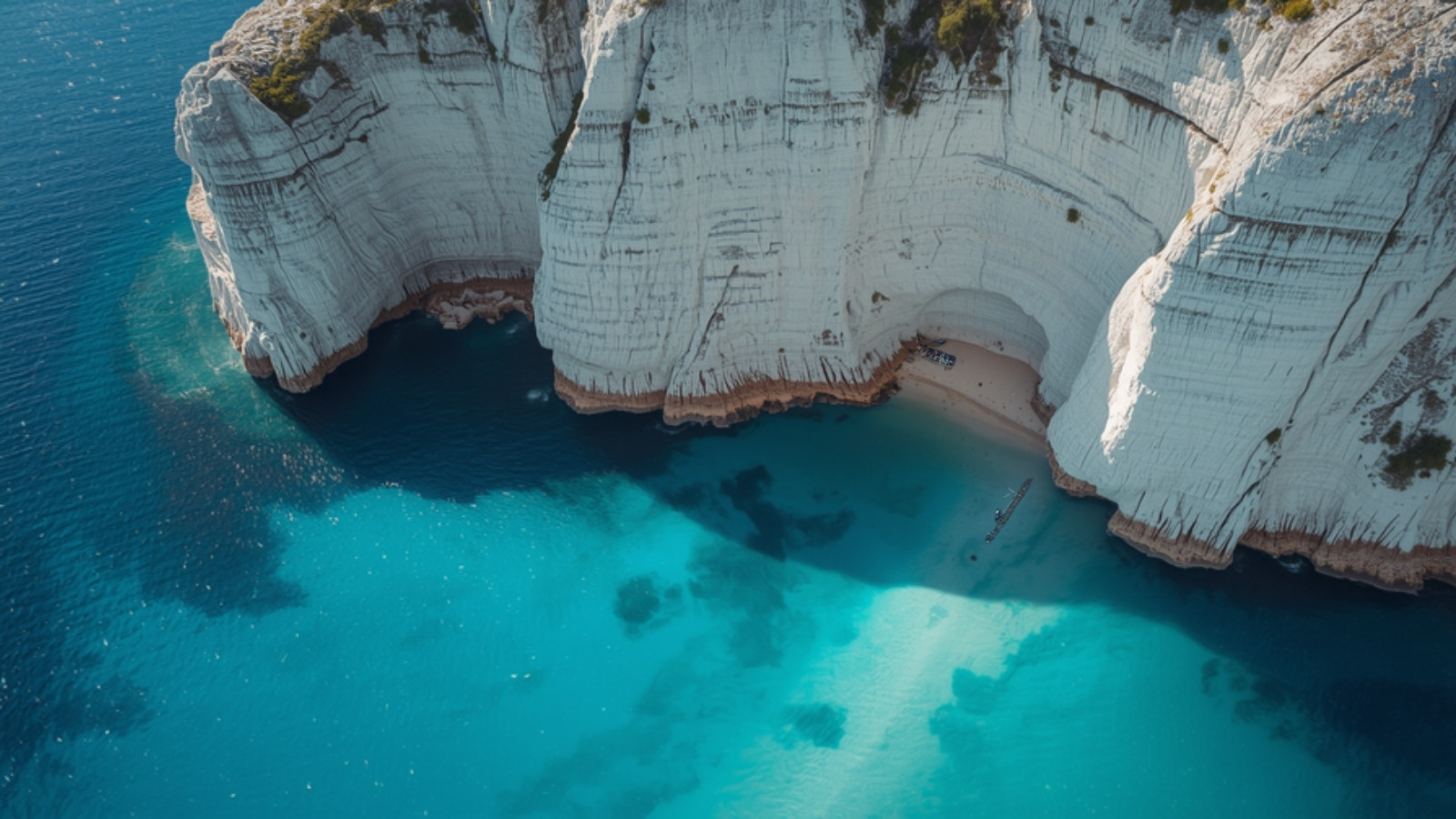
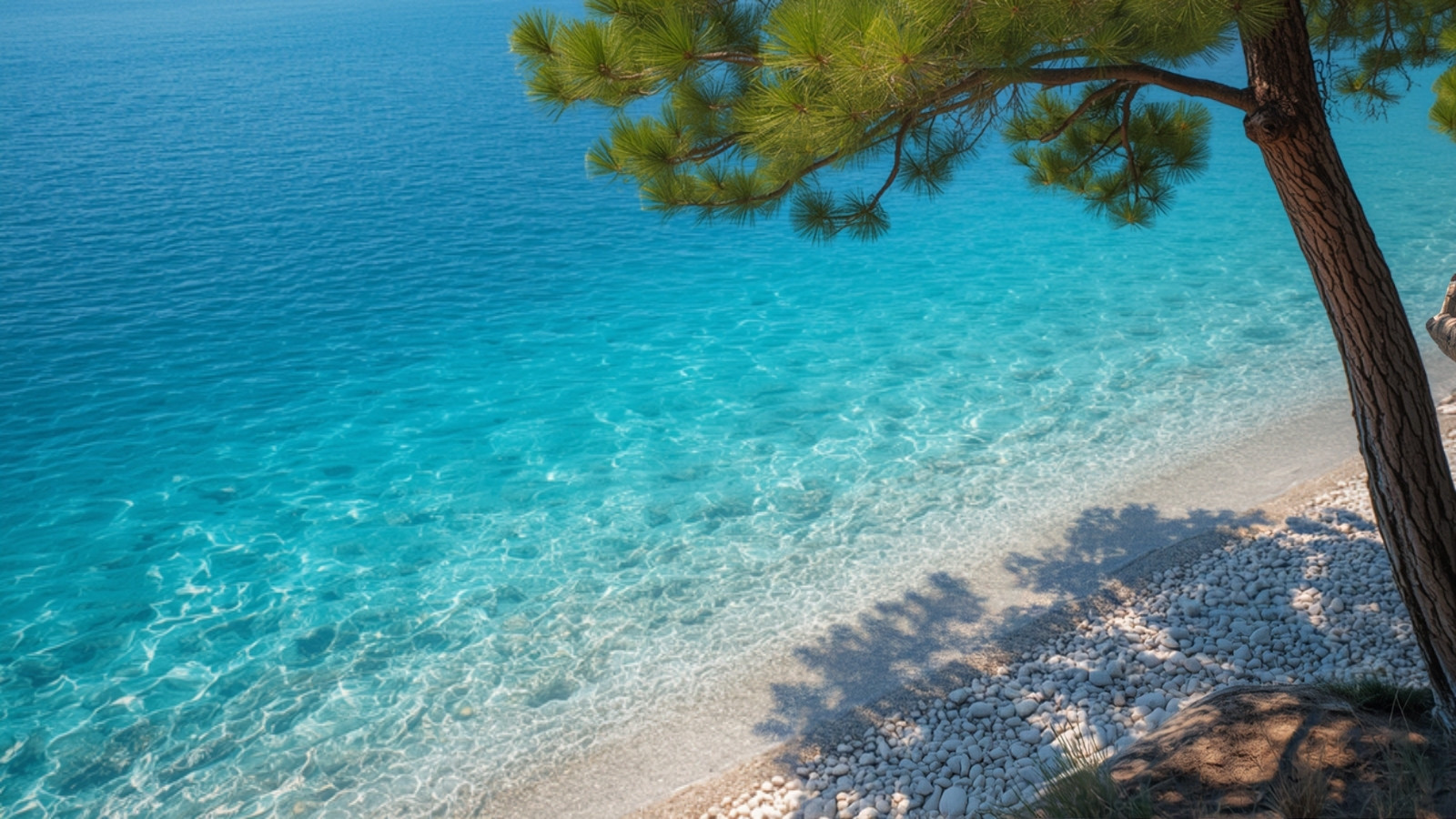
Paleokastritsa is the spot everyone who visits Corfu talks about. A cluster of small coves with crystal-clear water, surrounded by lush green hills and pine forests, with a 13th-century monastery on the clifftop. Boat trips from the main jetty explore sea caves and offer snorkelling in the clearest water on the island.
Best Beaches
Glyfada - the island's largest sandy beach on the west coast. Very well organised, with sun loungers, water sports and beach bars.
Agios Gordios - a long sandy beach set between two headlands. Relaxed atmosphere, good for families.
Sidari - popular for the Canal d'Amour (a natural rock channel in the sea). Legend says couples who swim through it will fall in love.
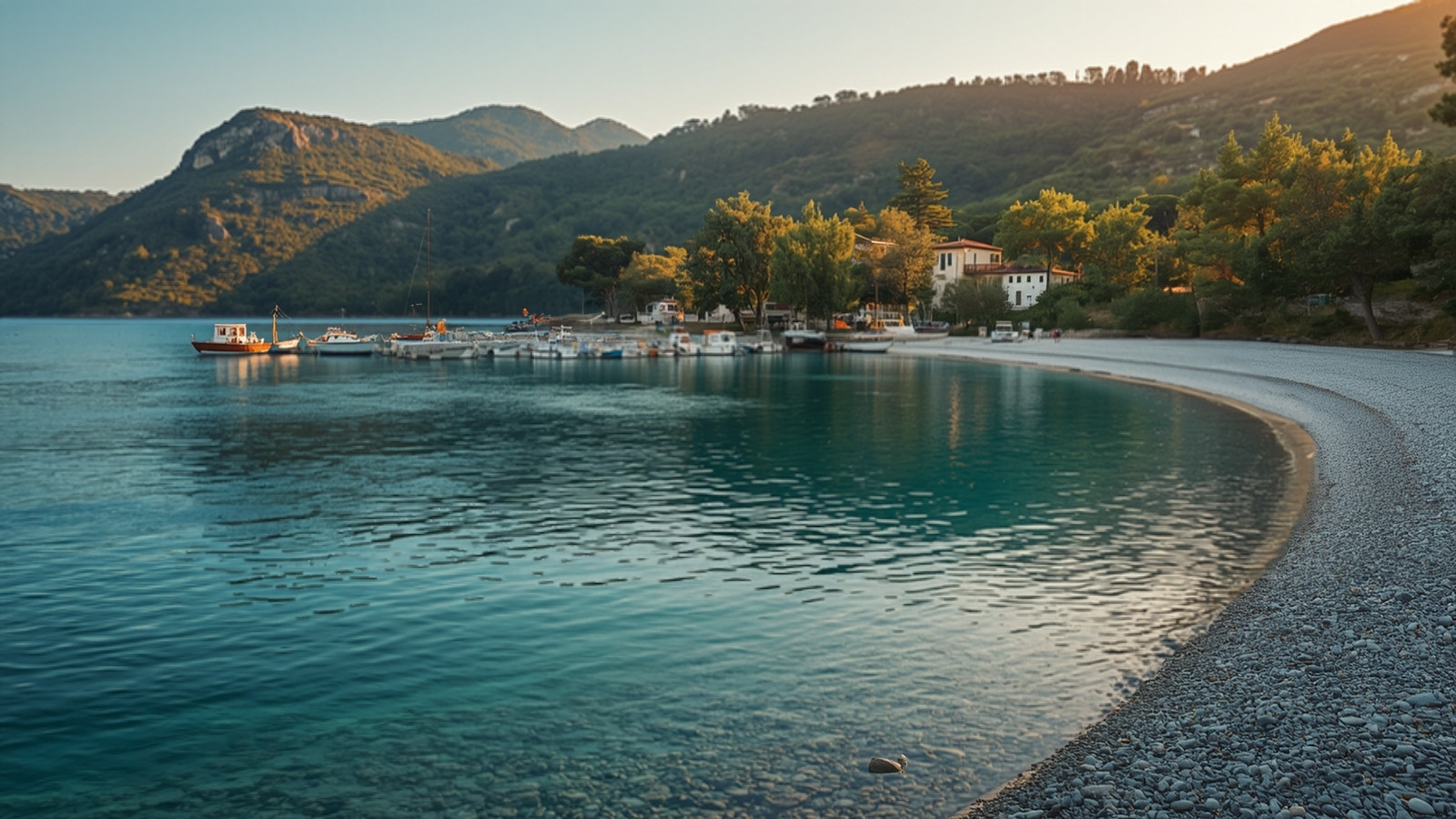
Kassiopi - a charming fishing village in the north-east with a small pebble beach and a lovely harbour.
Food - Corfiot Cuisine
Corfu's cuisine reflects its Venetian heritage more than any other Greek island. Pastitsada (pasta with beef or cockerel in spiced tomato sauce), sofrito (veal in white wine and garlic) and bourdeto (spicy fish stew) are the island's signatures. Try them at traditional tavernas in the Old Town or in Gastouri village.
Practical Information
- Getting there by air - Direct charter flights from Belgrade to Corfu (CFU) in summer.
- Getting there by car - Drive to Igoumenitsa (approx. 850 km from Belgrade), then ferry to Corfu (1 hour).
- Getting around - Rent a car is recommended. Local buses cover main towns but not all beaches.
- Best time - May, June and September. July–August is peak season with the most crowds.